Stay Hydrated This Fourth of July: A Pregnancy-Safe Red, White & Blue Electrolyte Drink
Summer celebrations, backyard barbecues, pool days, and Fourth of July festivities are some of the best parts of the season—but they also bring soaring temperatures and an increased risk of dehydration.
Whether you’re pregnant, newly postpartum, or breastfeeding, staying hydrated is one of the most important things you can do for your health and your baby’s well-being. Today we’re sharing a refreshing Red, White & Blue Pregnancy-Safe Electrolyte Drink along with everything you need to know about why hydration matters during pregnancy and postpartum.

Why Hydration Is So Important During Pregnancy
Your body is working overtime during pregnancy.
Blood volume increases by nearly 50%, your amniotic fluid needs constant replenishment, and your growing baby depends on adequate hydration for healthy development.
During hot summer months, dehydration can happen much faster than many moms realize.
Even mild dehydration can leave you feeling:
Fatigued
Dizzy
Headachy
Nauseated
Lightheaded
Overheated
For pregnant women, dehydration can become more serious.
Can Dehydration Cause Contractions? Yes.
One of the earliest signs of dehydration during pregnancy can be uterine irritability, often felt as Braxton Hicks contractions. Hydration is one of the simplest ways to help reduce unnecessary uterine irritation during pregnancy.
⸻
Why Electrolytes Matter During Pregnancy
Water is essential—but electrolytes help your body actually use that water effectively.
Electrolytes help regulate:
* Fluid balance
* Muscle function
* Nerve signaling
* Blood pressure
* Cellular hydration
The key electrolytes include:
* Sodium
* Potassium
* Magnesium
* Calcium
During pregnancy, sweating from summer heat can lead to losses of these important minerals. Replacing electrolytes can help you feel better while supporting proper hydration.
⸻
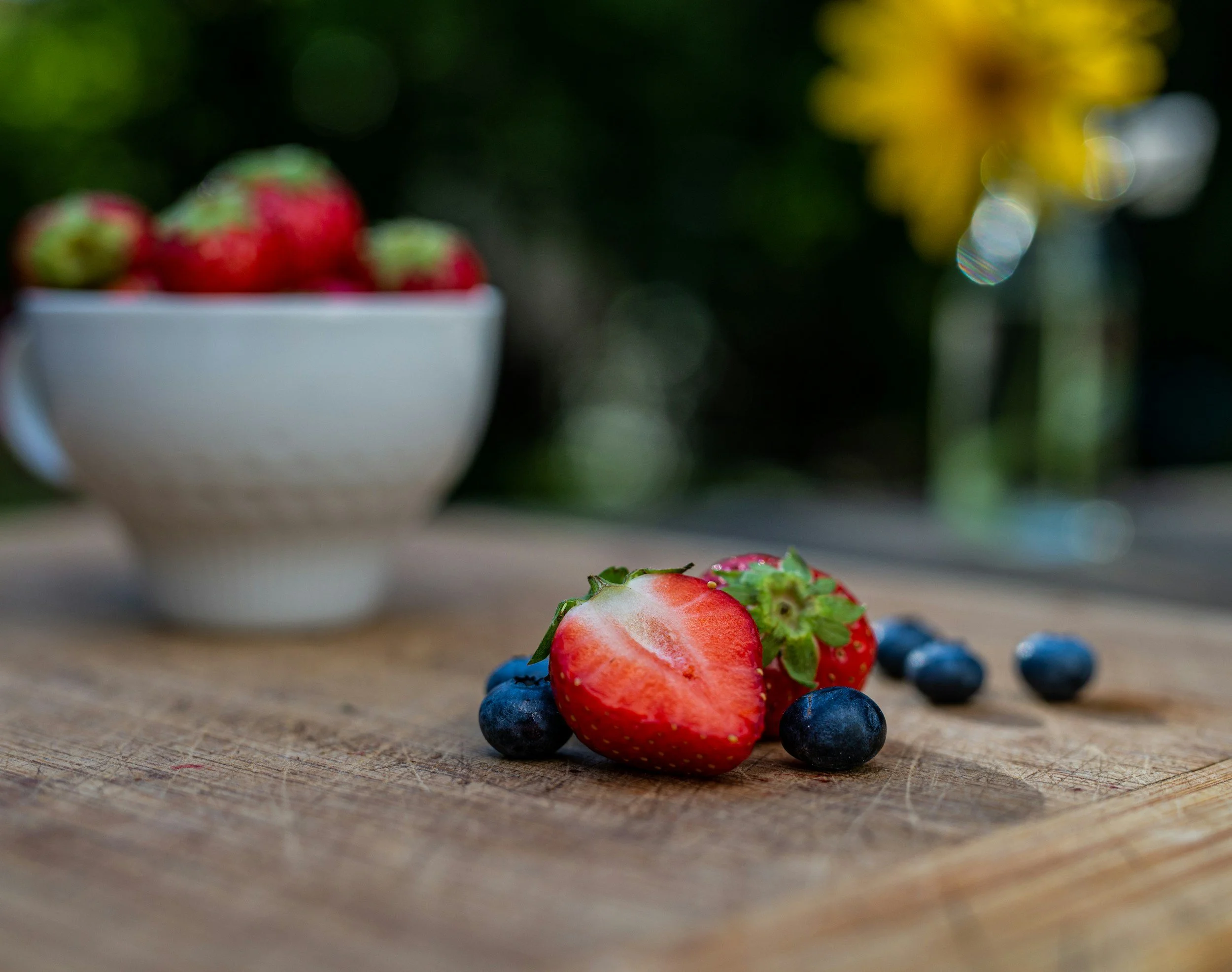
Pregnancy-Safe Red, White & Blue Electrolyte Drink
This festive homemade electrolyte drink is naturally flavored, lightly sweetened, and perfect for your Fourth of July celebrations.
Ingredients
Base:
* 2 cups cold coconut water (provides natural potassium)
* 1 cup filtered water
* Juice of ½ fresh lemon
* Juice of ½ fresh lime
* 1–2 teaspoons honey or agave syrup (optional for a touch of sweetness)
* Tiny pinch (about ⅛ teaspoon) sea salt
Red
* ¼ cup sliced strawberries
White
* Ice cubes
* Optional: thin slices of pear or apple for garnish
Blue
* ¼ cup fresh blueberries
Optional Fresh Herbs
* Mint
* Basil
Directions
1. Combine the coconut water, filtered water, lemon juice, lime juice, honey, and sea salt.
2. Stir until dissolved.
3. Fill glasses with ice.
4. Add strawberries and blueberries.
5. Garnish with fresh mint or basil.
6. Serve immediately.
This recipe contains naturally occurring electrolytes without artificial dyes or excessive added sugar, making it a refreshing option during pregnancy.
⸻
Signs You May Be Dehydrated During Pregnancy
Watch for symptoms including:
* Dark yellow urine
* Dry mouth
* Headaches
* Dizziness
* Fatigue
* Increased Braxton Hicks contractions
* Muscle cramps
* Feeling unusually hot
* Rapid heartbeat
If you’re unable to keep fluids down, experience persistent contractions, decreased fetal movement, or signs of heat illness, contact your healthcare provider promptly.
⸻

Hydration Is Just as Important After Baby Arrives
Many moms are surprised to learn that hydration becomes even more important after delivery.
Your body is recovering from childbirth, healing, producing breast milk, rebuilding blood volume, adjusting hormonally. All of these require adequate fluid intake..
⸻
Does Dehydration Affect Breast Milk Supply?
It can. While simply drinking excessive amounts of water won’t automatically increase milk supply, staying well hydrated supports your body’s ability to produce milk efficiently. Many breastfeeding mothers notice they become especially thirsty during nursing sessions because milk production requires significant amounts of fluid. Keeping a water bottle or electrolyte drink nearby while feeding your baby is a simple habit that supports both you and your little one.
⸻

Summer Hydration Tips for Pregnant and Postpartum Moms
Try these simple strategies to stay hydrated this summer:
Drink consistently throughout the day instead of waiting until you’re thirsty.
Carry a reusable water bottle everywhere.
Include electrolyte-rich beverages after spending time outdoors.
Eat water-rich foods like watermelon, cucumber, oranges, berries, and peaches.
Wear lightweight, breathable clothing.
Avoid prolonged exposure to extreme heat.
Rest in air-conditioned spaces during the hottest parts of the day.
⸻
Frequently Asked Questions
Are electrolyte drinks safe during pregnancy?
Many electrolyte drinks are safe, but choose options with moderate sodium, limited added sugar, and no herbal stimulants or excessive caffeine. Homemade recipes using simple ingredients can be an excellent choice. If you have any concerns about your health, ask your healthcare provider about the best electrolyte options for you.
How much water should pregnant women drink?
Most pregnant women need around 8–12 cups (64–96 ounces) of fluids daily, though individual needs vary based on activity level, climate, and overall health. Hot weather often increases your fluid requirements.
Can dehydration send you into labor?
Dehydration itself does not usually cause true labor, but it can trigger uterine contractions or make Braxton Hicks contractions more frequent and noticeable. Persistent contractions or signs of preterm labor should always be evaluated by your healthcare provider.
⸻
Celebrate Safely This Fourth of July
Whether you’re expecting your first baby or caring for your newborn this summer, hydration is one of the easiest ways to support your health.
🇺🇸 Take breaks from the heat, drink fluids throughout the day, enjoy hydrating fruits, and treat yourself to this festive Red, White & Blue Electrolyte Drink while celebrating Independence Day.
By your side,
Erica xo
⸻
Disclaimer: This article is intended for educational purposes only and should not replace medical advice. Always consult your obstetric provider, midwife, or healthcare professional regarding concerns about hydration, contractions, pregnancy complications, or breastfeeding.